
Loading...
Serving Mobile, AL and surrounding areas. (251) 481-6274
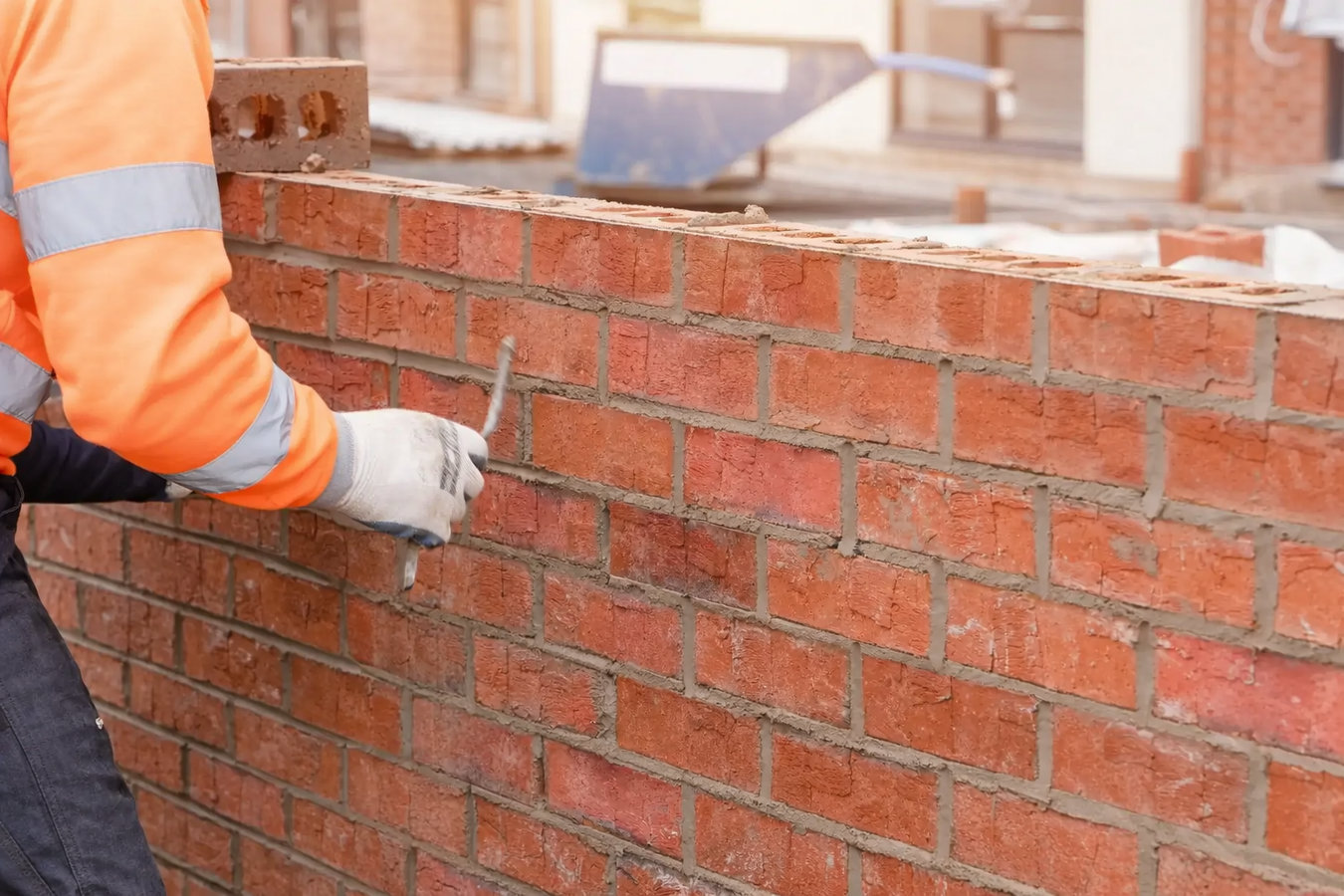
Crumbling mortar joints let water into your walls with every rainstorm. We remove the old material, pack in fresh mortar matched to your brick, and seal your wall before Mobile weather turns a small repair into a big one.
Brick pointing in Mobile removes deteriorated mortar from the joints between bricks and replaces it with fresh mortar - most jobs take one to five days depending on how much wall area is involved and how deep the damage has gone.
Mortar is softer than brick by design - it absorbs wall movement so the bricks themselves do not crack. Over decades, that softness means mortar gradually erodes from rain, heat, and humidity. When the joints wear down, water gets in. In Mobile, where annual rainfall averages around 67 inches, even small gaps let in enough moisture to cause real damage over a single wet season. The good news is that repointing is almost always far less expensive than repairing what happens when it is ignored.
Homeowners scheduling brick pointing often ask about related services at the same visit. If your home has structural masonry concerns - shifts, cracks, or settling in the wall itself - our foundation repair team can assess whether the issue runs deeper than the mortar joints.
Run your hand along the mortar joints on your exterior wall. If the mortar feels soft, flakes off, or you can see gaps where it used to be, the joints are no longer doing their job. In Mobile's wet climate, even small gaps admit enough moisture to cause damage over a single rainy season - and the longer you wait, the further the deterioration spreads.
Chalky white residue on brick - called efflorescence - is a sign that water is already moving through the wall and carrying dissolved salts to the surface. In Mobile, where humidity and rainfall are high year-round, this staining tends to appear and spread faster than in drier climates. It is a reliable early warning sign that the mortar joints need attention.
Chimneys take more weather exposure than any other masonry on your home - they are open on all four sides to every storm that passes through. If the mortar around your chimney looks darker, visibly recessed, or different in texture from the brick face, it is worth having a mason look before hurricane season puts that deterioration under real stress.
If you notice damp patches on interior walls after a heavy downpour - and you have ruled out roof issues - failing mortar joints on an exterior brick wall may be the entry point. Mobile's frequent heavy rains make this a common complaint in older brick homes in neighborhoods like Midtown and Oakleigh, where the original mortar may be at or past its natural lifespan.
We repoint brick walls, chimneys, foundation surfaces, and exterior masonry for homeowners across Mobile and the surrounding Gulf Coast area. The process starts with careful removal - we grind or chisel out the old mortar to a proper depth before packing in fresh mortar by hand. Covering old mortar rather than removing it is one of the most common shortcuts that leads to early failure, and it is not how we work. We assess your brick before selecting a mortar formula to make sure the new material is matched in hardness - a critical detail for older homes in Mobile's historic neighborhoods where softer, pre-1960s brick can crack if the wrong mortar is used. Homeowners who want a broader picture of their masonry's overall condition can also ask about our masonry restoration service, which covers repointing alongside cleaning, surface repair, and other exterior masonry work.
We provide written estimates that break down the scope clearly - how much area is involved, whether any bricks need replacing, and what the total cost will be. If your home is in one of Mobile's designated historic districts, we will flag whether design review through the Historic Development Commission is needed before work begins and handle that step on your behalf. For homeowners dealing with structural concerns alongside deteriorating mortar, foundation repair is available as a companion service when the issue runs deeper than the joints.
Best for homeowners with a brick exterior where mortar joints on one or more walls show visible deterioration - catching it early keeps moisture out and avoids more expensive brick replacement later.
Best for homeowners whose chimney mortar is visibly worn, recessed, or staining - scheduling before hurricane season means your chimney is sealed before the highest-stress weather of the year arrives.
Best for homeowners in Mobile's older neighborhoods whose homes have soft, pre-1960s brick that requires a lime-based or custom mortar mix to avoid cracking the original material.
Best for homeowners where only a section of wall or a few joints need attention - targeted work is more affordable than a full repoint and extends the wall's life when the damage has not spread.
Mobile is one of the rainiest cities in the continental United States, averaging around 67 inches of rain per year - nearly double the national average. All that moisture works its way into even small mortar cracks and speeds up the breakdown process. Mortar joints in Mobile tend to need attention sooner than they would in drier parts of the country, and waiting even a year or two after noticing a problem can mean the damage spreads faster than you would expect. Homes closer to Mobile Bay face an additional factor: salt-laden air from the water accelerates the breakdown of both mortar and brick surfaces over time, making regular inspection especially valuable for waterfront or near-bay properties.
Mobile's older housing stock brings another layer of complexity. Neighborhoods like Midtown Mobile and the Oakleigh Garden District have a high concentration of homes built in the early-to-mid 1900s with softer brick that requires a carefully matched mortar. Using a modern, hard mortar on these older walls can cause the bricks themselves to crack - a problem that is far more expensive to address than repointing. In newer suburban areas like Saraland , where brick ranch homes from the 1950s through 1970s are common, mortar wear is a normal part of a home's aging cycle and a straightforward repair when caught in time.
We respond to all inquiries within one business day. Tell us where the problem is, how old the home is, and whether you have noticed any water getting in - that is enough for us to set up a site visit.
We walk the wall or chimney with you, check the condition of mortar joints and the brick itself, and look for any signs of water damage. You receive a written estimate covering what work will be done, how long it will take, and the total cost - no guessing.
We grind or chisel out old mortar to the proper depth - roughly three-quarters of an inch. Covering rather than removing old mortar is a common shortcut that leads to early failure. We pack in fresh mortar by hand and shape each joint to match the original profile as closely as possible.
After cleanup we walk the completed work with you. New mortar needs about a week to cure fully - avoid pressure washing the area during that time. In Mobile's humid climate, curing generally goes smoothly as long as heavy rain does not hit the fresh joints in the first 24 to 48 hours.
Free written estimates. We respond within one business day. No obligation, no pressure.
(251) 481-6274We assess your brick before selecting a mortar mix - a step that matters most in Mobile's older neighborhoods where pre-1960s soft brick can crack if harder modern mortar is used. Getting this wrong turns a repointing job into a brick replacement project, which costs significantly more.
We work across Mobile, the Eastern Shore, and into Mississippi - over a dozen communities where Gulf Coast weather conditions affect masonry in the same consistent ways. That range of local experience means we understand what Mobile homes actually face, not just what a textbook says they should.
For homes in Mobile's designated historic districts - Oakleigh Garden District, De Tonti Square, Old Dauphin Way - we know when exterior mortar work requires review by the Historic Development Commission and we handle that process on your behalf. We follow the National Park Service guidelines for repointing historic masonry to protect original materials.
Alabama requires masonry contractors to hold a state license through the Alabama Licensing Board for General Contractors for work above a threshold value. We are licensed and insured, which means you have a formal channel for recourse and we take full responsibility for the work we do on your home.
Repointing done right is one of the most cost-effective things a homeowner can do to protect their investment - especially in a climate as demanding as Mobile's. Our combination of mortar expertise, local knowledge, and honest assessments is why homeowners keep calling us back.
Address deeper structural movement beneath the brick before deteriorating mortar becomes the least of your concerns.
Learn moreA broader scope of exterior masonry work that combines repointing with cleaning, surface repair, and brick replacement where needed.
Learn moreHurricane season starts in June - get your mortar joints sealed and your walls protected while spring scheduling slots are still open.