
Loading...
Serving Mobile, AL and surrounding areas. (251) 481-6274
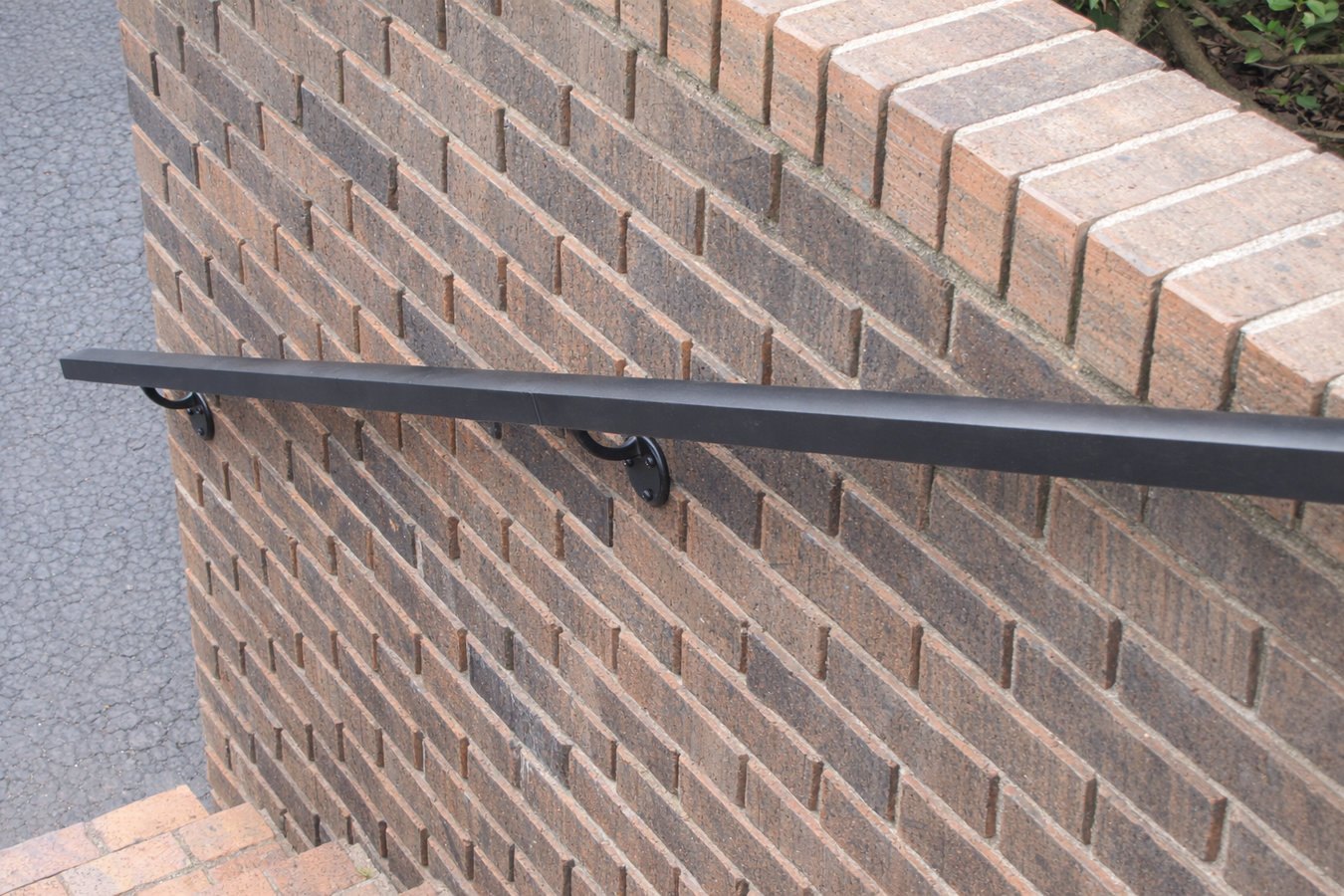
ML Mobile Masonry serves Spanish Fort homeowners with brick wall installation, retaining wall construction, and foundation repair - services we have calibrated to the Eastern Shore's clay-heavy soils, 65 inches of annual rainfall, and a housing stock where most homes sit on concrete slabs built in the 1990s and 2000s and are now reaching the age where masonry needs real attention.
We are licensed in Alabama and respond to all inquiries within one business day.
Spanish Fort homeowners use brick walls for privacy screening, landscape borders, and property definition - and in this climate, how a wall is built from the ground up determines how long it lasts. Our brick wall installation service accounts for the clay soil movement and drainage conditions specific to Eastern Shore properties, with proper footings that stay stable through Gulf Coast wet seasons rather than shifting with the first heavy rain.
Almost every home in Spanish Fort sits on a concrete slab, and the clay-heavy soil beneath those slabs expands and contracts with every rain cycle. A hairline crack that appears minor today can admit water and widen progressively - we assess slab cracks in the context of the drainage conditions around your specific lot, not just the visible damage, so the repair actually holds.
Spanish Fort lots that back up to drainage easements, wooded slopes, or retention pond edges often need engineered retaining walls to manage the hydrostatic pressure that saturated clay generates after heavy rain. A masonry retaining wall built with proper drainage cores and footings handles that load - an inadequately built wall will tilt or crack within a few wet seasons.
Most Spanish Fort homes built from the 1990s onward use brick veneer over wood framing, and the mortar joints in those veneer systems are the first thing to fail in a high-humidity coastal climate. Cracked or open joints let water behind the veneer layer, where it sits against the wood sheathing and causes rot and mold over time. We repoint those joints before water intrusion becomes a framing problem.
Spanish Fort driveways and concrete pads crack when the clay beneath them shifts, and cracked concrete that pools water makes the underlying problem worse with every rain. We address the surface damage and the drainage issues together - because patching a crack without improving water flow around it means the same crack reappears within a year or two.
Spanish Fort is a city built fast, mostly in the 1990s and 2000s, on land that sits adjacent to the Mobile-Tensaw Delta and Mobile Bay. The soils here carry significant clay content, the water table is high in many areas, and the city receives around 65 inches of rain annually. That combination was always going to create masonry maintenance cycles that homeowners here encounter on a predictable schedule - slab cracks from clay movement, mortar joint failures on brick veneer as the wood frame beneath settles, and retaining walls that face real hydrostatic pressure after Gulf Coast storm rain. Most of the housing stock is now 15 to 30 years old, which puts it squarely in the window where exterior masonry needs its first serious round of professional attention.
Spanish Fort is also close enough to Mobile Bay and the Gulf that tropical weather is a real seasonal factor, not a theoretical one. Tropical storms and the outer bands of hurricanes bring wind-driven rain and occasional tornadoes every summer and fall, and the exterior masonry on homes here absorbs that exposure directly. Brick veneer with open mortar joints, unsealed chimney crowns, and concrete flatwork with drainage problems all become significantly worse after a hard weather event. Addressing those vulnerabilities before storm season - rather than scrambling for contractor availability after - is the more practical path for Spanish Fort homeowners.
We work regularly in Spanish Fort pulling permits through the City of Spanish Fort for structural masonry projects, and the crews know this city's neighborhoods - from the subdivisions near Historic Blakeley State Park on the north end to the townhome communities and retail corridors near Spanish Fort Town Center off US-98. The homes here are newer than what we work on in Mobile or Fairhope, but that does not mean they have fewer masonry needs - it means the needs are different. Brick veneer failures, slab crack patterns from clay soil movement, and drainage-related retaining wall problems are the most common calls we get from Spanish Fort homeowners.
The I-10 Bayway connects Spanish Fort to Mobile in about 15 to 20 minutes, and we cross it regularly - which means response times here are comparable to what Mobile homeowners experience. When a storm comes through and leaves damage behind, we can reach Spanish Fort quickly and begin assessments before the backlog builds up.
We also serve neighboring communities on the Eastern Shore, including Fairhope to the south - where an older housing stock and bluff-area drainage create a different set of masonry challenges - and Daphne to the west, where rapid growth has produced a mix of housing ages and masonry needs that we work through regularly.
Call us or fill out the contact form and we will respond within one business day. We will ask a few questions about your property and what you are seeing so we arrive at your site visit prepared rather than starting from scratch.
We come to your Spanish Fort property, assess the masonry in person, and provide a no-charge written estimate that explains what needs to be done and why. Phone quotes without a site visit are guesses, not estimates, and we do not give them - especially on slab crack and drainage-related work where the visible damage rarely tells the full story.
After you approve the estimate, we schedule the job and confirm which days we will be on site. If your project requires a permit, we file it before work begins. Mortar work and concrete in Spanish Fort's summer humidity needs proper curing conditions - we schedule accordingly and keep you informed if weather adjustment is needed.
When the work is finished, we walk the completed project with you, explain what was done and any maintenance recommendations, and leave the site fully cleaned. No leftover materials, no debris, and no open follow-up items - the job is done when we say it is done.
We serve Spanish Fort and the full Eastern Shore. Free written estimates after an on-site visit - no phone guesses. Licensed in Alabama. One-business-day response.
(251) 481-6274Spanish Fort sits at the eastern end of the I-10 Bayway, the long causeway that crosses Mobile Bay and connects the Eastern Shore to Mobile. The city has grown quickly over the past two decades as families and commuters have moved across the bay, drawn by lower land costs, newer schools, and a suburban character that differs sharply from Mobile's older urban neighborhoods. Most of the housing stock was built between 1990 and the 2010s, which means Spanish Fort is a city of relatively young homes - but young by Gulf Coast suburban standards, where exterior materials face significant wear from heat, humidity, and tropical weather. The Spanish Fort Town Center anchors the commercial life of the city, and subdivisions extend in most directions from that corridor. According to Census data, the city has a median household income and home values well above the Alabama average - these are homeowners who invest in their properties and expect professional work.
Spanish Fort borders the Mobile-Tensaw Delta to the north, where wetlands and tidal waterways make drainage a relevant concern for properties in that part of the city. The character of the place - waterfront views, wooded lots, newer construction - is distinct from the historic neighborhoods of Mobile or the bluff-top cottages of Fairhope, and the masonry needs reflect that difference. Nearby Fairhope to the south shares the Eastern Shore climate but has an older and more varied housing stock, while Mobile across the bay presents a useful contrast in how different building conditions on the two sides of Mobile Bay can be.
Expert repair of cracked, settling, or failing foundations to restore structural integrity.
Learn moreProfessional chimney repair and rebuilding to keep your flue safe and weather-tight.
Learn moreRemoval and replacement of deteriorated mortar joints for long-lasting masonry protection.
Learn moreReplacement and repointing of damaged bricks to restore the appearance and strength of walls.
Learn moreInstallation of durable paver driveways that add curb appeal and lasting value.
Learn moreEngineered retaining walls built from brick, block, or stone to control erosion and grade.
Learn moreComprehensive cleaning, repair, and restoration of aging or weathered masonry surfaces.
Learn moreCustom brick and stone fireplace construction for comfortable, stylish indoor living.
Learn moreBeautiful natural and manufactured stone veneer applied to interior and exterior surfaces.
Learn moreSolid concrete masonry unit walls built for residential, commercial, and utility applications.
Learn moreNew foundation block wall construction providing a stable, code-compliant base for your structure.
Learn moreCustom outdoor kitchen structures built with durable brick, stone, and block materials.
Learn moreAttractive brick and paver walkways designed for safety, drainage, and lasting beauty.
Learn moreNew brick wall construction for privacy screens, garden walls, and property boundaries.
Learn moreHand-laid natural stone work for walls, steps, pillars, and decorative landscape features.
Learn morePrecision repointing of brick joints to stop water intrusion and extend wall life.
Learn moreServing these cities and communities.
Spanish Fort homes built in the 1990s and 2000s are hitting the age where brick veneer, slab cracks, and drainage issues need serious attention - getting ahead of those problems now is the most cost-effective move before the next storm season.